
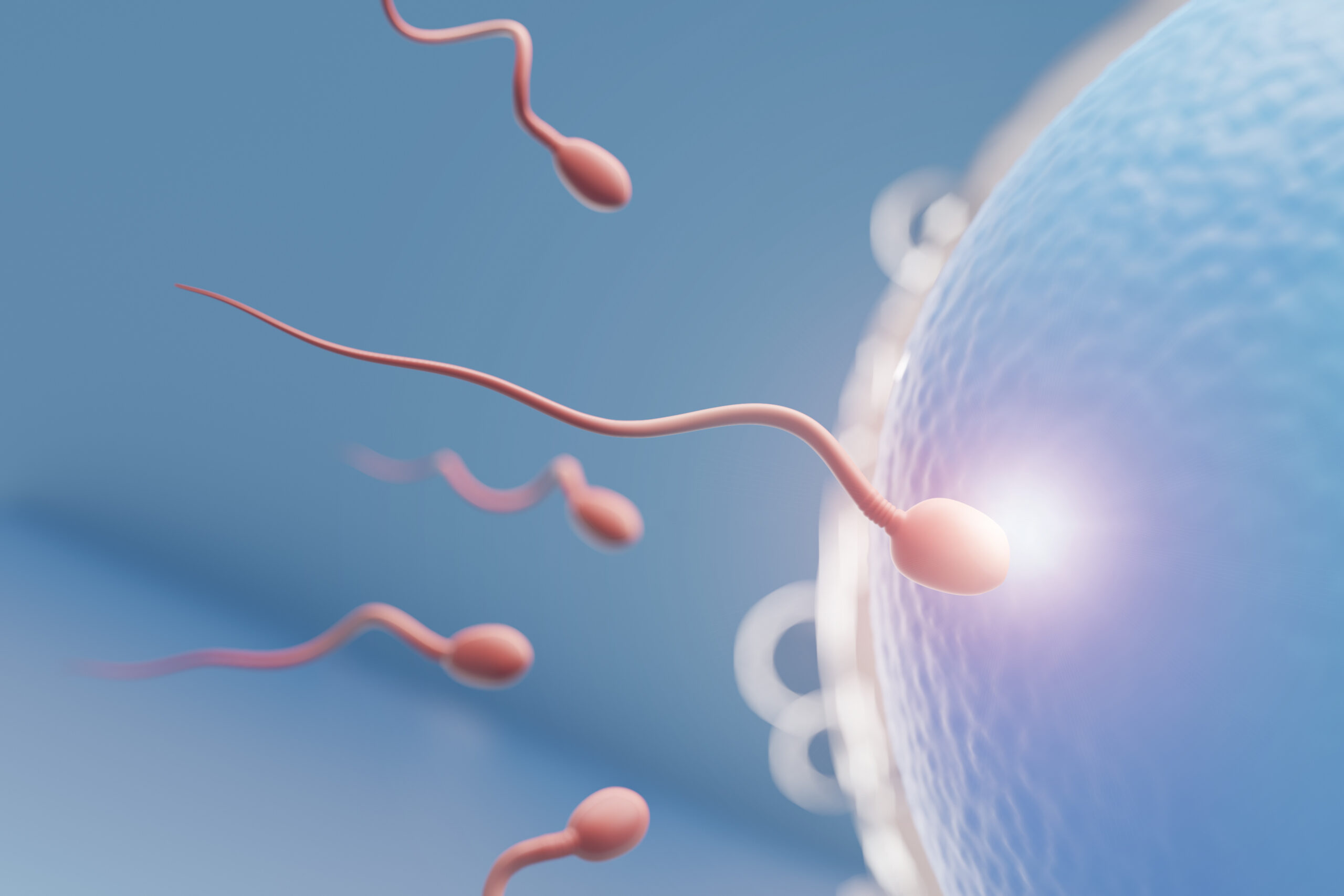
Understanding sperm count is very important for those considering family planning, assessing fertility, or exploring the impacts of a vasectomy. A comprehensive semen analysis offers insights into a man’s reproductive health and plays a pivotal role in diagnosing potential fertility issues. This guide explores the intricacies of sperm count, its measurement, factors influencing it, and its implications on family planning.
A semen analysis measures sperm count and plays a key role in confirming vasectomy success and understanding overall male reproductive health.
What is a Normal Sperm Count?
A sperm count, also known as sperm concentration, measures the number of sperm present in a milliliter of semen. According to the World Health Organization (WHO), a normal sperm count ranges from 15 million to over 200 million sperm per milliliter. Anything below 15 million is generally considered a low sperm count (oligozoospermia).
Having a normal sperm count is essential for natural conception, as it increases the likelihood of sperm reaching and fertilizing an egg. It’s important to note that sperm count is just one aspect of sperm quality. Other factors such as sperm motility (the ability to swim) and morphology (shape and structure) also play significant roles in fertility.
For men considering a vasectomy, sperm count plays a different role. Instead of measuring fertility potential, it becomes a way to confirm that sperm are no longer present after the procedure.
How Does a Vasectomy Impact Sperm Count?
A vasectomy is a surgical procedure that provides a permanent form of male contraception. During the procedure, the vas deferens, the tubes that carry sperm from the testicles to the urethra, are cut and sealed. As a result, sperm is prevented from entering the ejaculate.
Post-vasectomy, semen still appears normal, but it contains no sperm. This is why a follow-up semen analysis is required to confirm that the procedure was successful.
This testing process ensures that sperm are no longer present and that the vasectomy can be relied on as an effective form of birth control.
How is Sperm Count Measured?
Sperm count is determined through a semen analysis, a laboratory test that evaluates various parameters of the semen and sperm. This same type of testing is used both for fertility evaluation and for confirming vasectomy success.
Here’s how it works:
- Sample Collection: The individual provides a semen sample, typically collected through masturbation into a sterile container. This is sometimes done at home or in a clinical setting depending on lab requirements.
- Laboratory Analysis: The sample is analyzed under a microscope or using automated equipment to determine the number of sperm in a specific volume of semen.
- Additional Parameters: Besides sperm count, the analysis also assesses:
- Sperm Motility: The percentage of moving sperm and their movement quality
- Sperm Morphology: The percentage of sperm with a normal shape
- Semen Volume: The total amount of semen produced
- pH Level: The acidity or alkalinity of the semen
Together, these measurements provide a complete picture of reproductive health or confirm the absence of sperm after a vasectomy.
What Factors Can Affect Sperm Count?
Several factors can influence sperm count and overall semen quality. Understanding these can help individuals stay informed about their reproductive health:
- Lifestyle Choices: Smoking, excessive alcohol use, and drug use can negatively impact sperm production and quality.
- Environmental Exposures: Pesticides, heavy metals, and industrial chemicals may decrease sperm count.
- Medical Conditions: Conditions such as varicocele, hormonal imbalances, and infections can affect sperm production.
- Diet and Nutrition: A lack of key nutrients like zinc, vitamin C, vitamin E, and folic acid can impair sperm health.
- Stress and Mental Health: Chronic stress can influence hormone levels and affect sperm production.
- Heat Exposure: Frequent exposure to high temperatures, such as hot tubs or saunas, may temporarily reduce sperm count.
While these factors are important for fertility, they are less of a concern for men who have already undergone a vasectomy and are no longer relying on sperm production.
Low Sperm Count: What Does it Mean for Family Planning?
A low sperm count can make it more difficult for couples to conceive naturally. However, it does not necessarily mean infertility. Many men with low sperm counts are still able to father children.
There are several options that may help improve the chances of conception:
- Fertility treatments such as intrauterine insemination (IUI) or in vitro fertilization (IVF)
- Medications to address hormonal imbalances or underlying conditions
- Surgical procedures such as varicocele repair
For couples focused on preventing pregnancy, a vasectomy offers a more reliable and permanent solution compared to managing fertility challenges over time.
Can Sperm Count Change Over Time?
Yes, sperm count can fluctuate due to lifestyle, health conditions, and environmental factors. Age can also play a role, as sperm quality may gradually decline over time.
Temporary changes are common. Illness, stress, or lifestyle changes can lower sperm count for a period, but levels often return to normal once those factors are resolved.
Regular semen analyses can help track these changes and provide useful insights for both fertility planning and post-vasectomy confirmation.
Why Semen Analysis Matters After a Vasectomy
After a vasectomy, semen analysis becomes one of the most important follow-up steps. Even though the procedure prevents sperm from entering the semen, it takes time for any remaining sperm to clear from the reproductive tract.
This is why patients are instructed to wait a certain number of weeks and ejaculations before testing. The semen analysis confirms that no sperm are present and that the vasectomy has been successful.
Until this confirmation is received, other forms of birth control should still be used.
When to Consult a Specialist About Sperm Count & Family Planning
If you’re concerned about your sperm count or planning your next steps, consulting a specialist can provide clarity.
You may want to seek professional advice if:
- You’ve been trying to conceive for a year or more without success
- You have a known condition that may affect fertility
- You’re experiencing symptoms such as testicular pain or swelling
- You’re considering a vasectomy and want to understand its long-term implications
A specialist can guide you through testing, explain your results, and help you make informed decisions.
The Importance of Sperm Count in Reproductive Health: Making Informed Decisions for Your Future
Understanding sperm count is an important part of male reproductive health. Whether you are planning to start a family, evaluating fertility, or considering a vasectomy, a semen analysis provides valuable insight.
By staying informed and proactive, you can make confident decisions about your reproductive health and long-term family planning goals.